
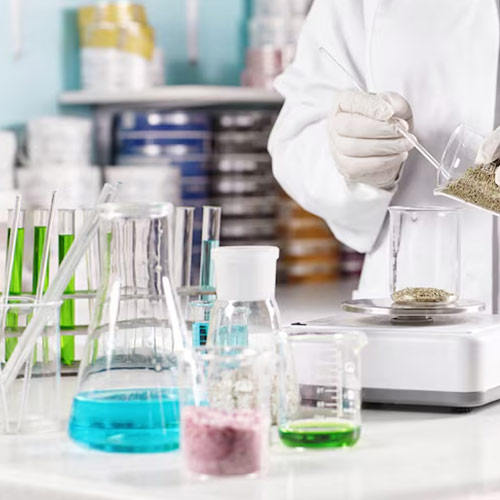
Factory managers often face frustrating problems on the production line. Imagine dealing with sudden machine breakdowns, poor product quality, or high rejection rates where items break too easily. Sometimes metal parts rust before leaving the factory, or plastic molds stick, slowing down the assembly line. These daily headaches cost time and money, making it hard to keep customers happy. The hidden secret to solving these major factory nightmares is using the right Industrial Chemicals.
Instead of replacing expensive machines or tossing bad products, smart managers use specialized chemical solutions for industry. These liquids, powders, and gases work behind the scenes to keep machines running smoothly, bind materials, and give products a perfect finish. By adding the correct chemicals to the process, factories can instantly boost production speed, save money on waste, and build durable products.
When you hear the word “chemicals,” you might picture a scientist in a lab coat mixing bubbling liquids in glass tubes. But in the real world of factories, chemicals used in manufacturing are simply “invisible helpers.” They are the specialized ingredients that make raw materials behave exactly the way we want them to.
Think about the things you use in your daily life. The soap you use to clean your hands is a chemical. The oil you put in your car engine to stop it from making grinding noises is a chemical. The clear spray you use to make your wooden table shine is a chemical.
Industrial chemicals work the exact same way, just on a massive scale. They include heavy-duty cleaning agents that wash away thick factory grease, slippery lubricants that stop giant gears from getting stuck, and protective coating chemicals that stop metal bridges from turning brown with rust. Without these helpful ingredients, raw materials like cotton, iron, or plastic would be very difficult to shape, color, or protect.
To truly understand their value, picture a busy factory trying to run without any manufacturing process chemicals. The results would be disastrous.
Here are a few real problems factories face when they don’t use the correct chemical solutions:
A factory making steel pipes would watch their products turn orange with rust just from the moisture in the air.
A furniture maker trying to glue wood together would see chairs and tables easily falling apart because the adhesive (a chemical) wasn't strong enough.
A clothing factory would make beautiful bright red shirts, but after one wash, the color would bleed out, leaving the fabric looking old and pink.
Without proper chemical oils and coolants, metal gears inside giant machines would rub against each other, get super hot, and eventually break down completely.
These are the chemicals mixed directly into the raw materials to help build the product. For example, if you are making soft foam for a mattress, you need a chemical “blowing agent” to make the liquid plastic bubble up and turn soft. These chemicals change the shape, hardness, or texture of the product.
These chemicals are not part of the final product you buy at the store. Instead, they are used to keep the factory itself alive. This includes heavy-duty greases, anti-rust sprays, water treatment drops for cooling towers, and powerful floor cleaners. They ensure the factory machinery lasts a long time.
These are used at the very end of the line to make a product look great and last longer. Think of a shiny car fresh out of the factory. The clear, hard polish on the paint is a finishing chemical. Water-proofing sprays on winter boots and anti-scratch coatings on your smartphone screen are also great examples.
Business owners care deeply about two things: making high-quality items and making them quickly. The importance of industrial chemicals cannot be ignored when trying to reach these two goals.
First, chemicals drastically improve product quality. When you add a strengthening chemical to raw plastic, it transforms a flimsy plastic bucket into a heavy-duty container that can survive being dropped on concrete. Chemicals give products their final strength, beautiful finish, and long-lasting durability.
Second, chemicals speed up production time. In a furniture factory, if a basic glue takes 24 hours to dry, the factory can only make a few tables a day. But if they use a fast-curing chemical adhesive that dries hard in 10 minutes, they can build hundreds of tables a day. This reduces wasted time, lowers the energy used by running machines, and ultimately makes the business much more profitable.
You might wonder where all these chemicals go. The truth is, almost every item you touch has been improved by industrial chemical applications. Here is how different industries rely on them daily:
Let’s look at a practical example. Imagine a t-shirt manufacturing business. They recently shipped a massive order of black t-shirts to a clothing store. A week later, angry customers returned the shirts because the black dye washed out in the laundry, turning their other clothes gray.
The factory manager was losing money and their reputation. The problem? They were just dipping the cotton in dye and drying it.
The Solution: The manager called an industrial chemical expert. The expert introduced them to a Dye-Fixing Agent. This is a special liquid chemical added to the water during the dyeing process. It acts like a microscopic lock, trapping the black color inside the cotton fibers permanently.
By simply pouring this chemical into the mixing tank, the factory solved the fading problem instantly. The shirts stayed pitch black, the store was happy, and the factory saved its business.
Lubricants and coolants stop engines from overheating.
Getting the formula right the first time means throwing away fewer broken products.
Fire-retardant chemicals prevent materials from easily catching fire.
Dyes, brighteners, and clear coats make items look premium and expensive.
Here is a simple look at how chemicals solve everyday factory headaches:
Manufacturing Problem | The Chemical Solution | Result in Production |
Metal parts rusting in storage | Anti-Rust / Anti-Corrosion Coating | Metal stays shiny, strong, and ready to sell. |
Fabric colors bleeding in the wash | Dye-Fixing Agents | Clothes keep their bright colors for years. |
Factory machines overheating | Industrial Coolants & Lubricants | Machines run 24/7 without breaking down. |
Plastic breaking too easily | Chemical Plasticizers / Hardeners | Plastic becomes flexible or super tough. |
Pipes clogging with hard water dirt | Water Treatment Chemicals (Descalers) | Water flows smoothly, saving repair costs. |
Knowing which chemicals to use is only half the battle. Buying them from the right industrial chemical suppliers is what really guarantees success.
A good supplier doesn’t just drop off drums of liquid and drive away. They act as a partner for your factory.
A reliable supplier provides pure, high-quality chemicals. If a chemical is watered down or dirty, it can ruin a whole day's worth of products.
Sometimes, a factory needs a custom mix. If a factory moves to a very humid city, their old glue might not dry properly. A great supplier will mix a new chemical formula specifically designed for high humidity.
Suppliers teach factory workers exactly how much chemical to use and how to handle it safely. This prevents waste and keeps the factory floor safe for all employees.
Manufacturing is a tough business filled with tight deadlines and high quality standards. Without the hidden power of industrial chemicals, making everyday items would be incredibly slow, expensive, and wasteful. From keeping massive metal gears turning to ensuring the colors on your clothes stay bright, these chemical helpers are the backbone of the modern factory. By understanding your specific production problems and partnering with reliable suppliers, you can use the right chemical solutions to boost your product quality, speed up your assembly line, and grow a highly successful manufacturing business.