
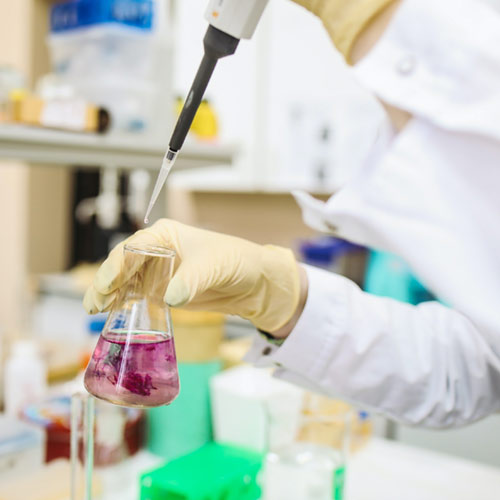
Manufacturing high-quality products is a big challenge for factories today. Buyers want items that last longer, look better, and perform safely in the real world. To meet these high standards, industries rely heavily on Specialty Chemicals. These are not your everyday, standard chemicals. Instead, they are highly engineered, specific formulas made to solve exact manufacturing problems and greatly improve the final product that reaches the customer.
Every day, factories face common industrial quality problems. Fabrics might lose their bright colors after just one wash, paper packaging might tear too easily during shipping, or huge concrete structures might crack under heavy stress. Without the right solutions to these problems, manufacturers lose money, exporters face rejected shipments, and buyers lose trust in the brand.
This is exactly where modern chemical engineering steps in to save the day. By adding just a small, precise amount of the right chemical mix, factories can fix these quality issues instantly. From making everyday clothes softer to keeping heavy factory machines completely free of rust, these unique products change how things are made. Let us explore how these advanced solutions make a major difference across various industrial sectors.
To understand this simply, think about baking a cake. Basic chemicals (called commodity chemicals) are like the flour and sugar—you use them in huge amounts to build the base. Specialty Chemicals, however, are like the baking powder or vanilla extract. You only need a tiny amount, but they do a very specific, highly important job.
Instead of being sold for what they are made of, these chemicals are sold for what they do. For example, a factory does not buy a chemical just because it contains certain molecules; they buy it because it stops paint from peeling off a car, or because it makes a plastic bottle shatter-proof. Real industrial examples include special glues that can dry underwater, or invisible coatings that make a smartphone screen resist fingerprints. They are the hidden heroes behind almost every high-quality product we use.
The main job of Industrial Specialty Chemicals is to make sure a product does exactly what it is supposed to do, for a long time. They directly upgrade the core features of a product in four major ways:
They help products survive harsh conditions. For example, UV protectors are added to outdoor plastics so they do not become brittle and crack in the hot sun.
They hold materials together. In packaging, special resins are added to cardboard to make it strong enough to hold heavy electronics without breaking.
They make things look perfect. They give cars their glossy shine, make magazine pages smooth, and keep white clothes looking bright instead of yellow.
They protect the people using the products. Flame retardant chemicals are added to furniture and electronics to stop fires from spreading.
The journey from a rough, raw cotton ball to a comfortable, bright red t-shirt requires a lot of science. Textile Specialty Chemicals are used at every step of fabric manufacturing to ensure the final clothing is comfortable and long-lasting.
When cloth is dyed, manufacturers use special “dye fixing agents.” These chemicals lock the color deep inside the fabric fibers so that the shirt does not bleed its color into the washing machine or fade after a few washes. Later in the process, fabric softeners and silicone finishes are applied to remove the rough, scratchy feel of raw thread, making the clothes soft against the skin. Additionally, optical brighteners are used to make white fabrics look crisp and clean. Because of these chemicals, the overall wash life of our clothing is greatly extended.
You might think paper is just pressed wood, but modern paper is a highly engineered product. Paper Industry Chemicals are vital for turning wet wood pulp into everything from strong shipping boxes to smooth, glossy magazine pages.
If you are shipping a heavy package, the cardboard must not tear easily. Manufacturers add dry strength agents to the pulp, which act like microscopic glue, binding the paper fibers tightly together. On the other hand, if a company is printing a high-quality catalog, the paper cannot be rough and absorbent, or the ink will blur. Factories use special surface coatings to make the paper perfectly smooth and hold the ink sharply. They also use bleaching chemicals and brightness agents to ensure the paper is a clean, readable white rather than a dirty brown.
Almost every large factory, whether it makes food, steel, or electricity, uses millions of gallons of water to cool down hot machinery or wash products. However, raw water contains natural minerals that can destroy factory equipment. This is why Water Treatment Specialty Chemicals are strictly required.
When hot water flows through metal pipes, minerals drop out of the water and form hard rock layers inside the pipe. This is called “scaling.” Over time, scale can completely block pipes and cause dangerous factory shutdowns. Anti-scaling chemicals prevent these minerals from sticking to the metal. Additionally, factories use strong purification chemicals to clean the dirty water before it is released back into rivers. These chemicals safely remove toxic metals, oils, and bacteria, protecting both the expensive factory machinery and the local environment.
Modern buildings, massive bridges, and deep tunnels must survive earthquakes, heavy rain, and the weight of thousands of cars. Cement and water alone are no longer enough. Construction Specialty Chemicals are mixed directly into concrete to make structures incredibly safe and durable.
One of the biggest problems in construction is water seeping into concrete, which rusts the steel inside and causes the building to collapse. Waterproofing compounds are added to the mix to block tiny holes in the cement, keeping rain out completely. Other chemicals, called plasticizers, make the concrete flow easier so it can be poured into tight spaces without losing its bonding strength. There are also special crack resistance additives that allow the concrete to expand and shrink safely when the weather changes from freezing winter to boiling summer.
When factory owners and buyers invest in high-quality chemical solutions, they see immediate results. Here are the top benefits:
Reduces the number of broken or rejected products on the assembly line.
Less material is wasted, and factory machines break down less often.
Better quality products (like softer shirts or glossier paint) can be sold to buyers at a higher, more profitable price.
Modern chemicals help factories use less water and energy during production.
Manufacturing Industry | Type of Chemical Used | Final Quality Benefit for the User |
Textile & Garment | Dye Fixing Agents & Softeners | Clothes stay bright, feel soft, and survive many machine washes. |
Paper & Packaging | Strength Agents & Surface Coatings | Cardboard holds heavy weight; print paper is bright and smooth. |
Water & Heavy Industry | Anti-scalants & Biocides | Factory machines run safely without rust; waste water is purified. |
Construction | Plasticizers & Waterproofing | Buildings resist rain damage, hold more weight, and prevent cracking. |
Plastics & Metal | Heat Stabilizers & Lubricants | Plastic items do not melt easily; metal cuts are clean and rust-free. |
The global demand for better, safer products is growing every day. Because of this, the role of Specialty Chemical Manufacturers is more important than ever. These companies do not just sell a drum of liquid and walk away; they act as technical partners to factories.
If a shoe manufacturer in India wants to export boots to snowy parts of Europe, the rubber must survive freezing temperatures. A specialty chemical company will custom-design a specific chemical formula just for that shoe factory. By providing custom solutions, bulk supply reliability, and export-quality testing, these chemical producers help local manufacturers upgrade their products to meet strict international standards. This partnership drives industrial growth, creates jobs, and ensures that buyers get exactly what they paid for.
Choosing the right chemical partner can completely transform your business. If you are struggling with product rejections, poor finishing, or slow manufacturing speeds, it is time to upgrade your process. Contact a trusted specialty chemical supplier today to discuss custom formulations that will boost your product quality and protect your brand’s reputation.