
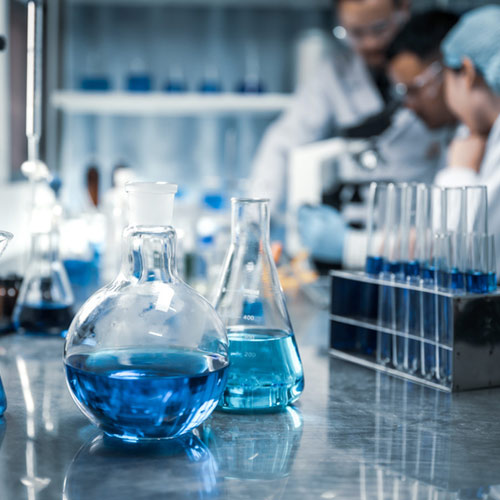
Every major industry relies on a solid chemical manufacturing process to create the everyday items we depend on. From the life-saving medicine you take to the durable clothes you wear, it all starts in a factory. This highly organized process takes basic ingredients from nature and changes them into valuable, usable products. When industries use the right methods and equipment, they save time, reduce waste, and make better products for everyone.
A high-quality manufacturing process is incredibly important for modern industries. If the production steps are not followed properly, the final product could be weak, unsafe, or totally useless. By focusing on strict quality rules at every single step, factories make sure their chemicals are pure and safe for the public. This dedication to excellence helps build long-lasting trust between the chemical makers, business buyers, and the everyday users of the final products.
Whether you are an engineering student, a factory owner, or a buyer looking for bulk supplies, understanding how chemicals are made is very helpful. It shows you the hard work, science, and strict safety rules needed to make reliable products. Let’s explore how industrial plants turn simple raw materials into the finished goods that power our modern world.
The chemical manufacturing process is like following a giant, highly technical recipe. It is the step-by-step method used by factories to turn simple raw materials into finished chemical products. Through physical and chemical changes, ingredients are combined, heated, cooled, and separated until a completely new product is formed.
For a simple real industry example, think about how common table salt and water are put through a chemical process using electricity to create chlorine. That chlorine is then used to keep our swimming pools clean and our drinking water safe. Another example is turning thick, dark crude oil into clear, flexible plastics used for water bottles. Industrial Chemical Production takes things found in nature and transforms them into materials that make human life easier and safer.
Creating a finished chemical product requires a very specific path. The chemical processing steps must be followed in an exact order to get the right result. Here are the main steps used in most factories:
Before any reaction happens, the raw materials must be mixed together perfectly.
This is where the magic happens. The mixed materials are put into a giant tank called a reactor. Here, their actual structure changes to create a completely new chemical.
Temperature control is vital. Some chemicals need intense heat to force them to react, while others must be frozen rapidly so they do not explode or break down.
Finally, any leftover moisture is removed. The chemical is dried out so it can be safely packed as a powder, crystal, or pure liquid.
None of this would be possible without the massive facilities where the work happens. A chemical production plant is designed to handle extreme temperatures, high pressure, and dangerous materials safely. These plants rely heavily on heavy machinery, giant metal reactor tanks, and miles of piping.
Today, the role of these plants involves a lot of automation. Computers and smart sensors run the machines, constantly checking the temperature and pressure. This means human workers can stay in safe control rooms away from hazardous fumes. Because these plants are so large and automated, they can produce thousands of gallons of chemicals every single day, keeping costs low for buyers and ensuring a steady supply for the world.
Just making the chemical is not enough; it has to be perfect every time. This is why the chemical quality control process is a mandatory step. Quality control (QC) is the system of checks and tests that a factory uses to guarantee their products meet strict safety and performance rules.
During the production run, workers will take small samples of the chemical and send them to a testing lab. The lab uses advanced tools to check for purity, color, and strength. If a batch fails the test, it is fixed or thrown away before it ever reaches the customer. Good factories also follow international rules, like ISO standards, and get regular inspections to keep their certifications. This strict process ensures consistent product quality, meaning the chemical you buy today will work exactly the same as the one you buy next year.
While some factories make basic chemicals in massive amounts, others focus on a highly detailed niche. Specialty chemical manufacturing is the process of creating highly customized chemicals for very specific tasks. Instead of making standard plastic or basic salt, these factories make advanced formulations.
These specialty products include things like high-strength aerospace adhesives, special coatings that stop metal from rusting, or food additives that keep bread fresh longer. Because they are used for advanced industrial applications, specialty chemicals require a lot of research and development. The goal here is performance improvement. Buyers are willing to pay more for these chemicals because they solve unique problems that standard chemicals cannot fix.
Every great product starts with great ingredients. The raw materials in chemical industry production are the foundation of everything that is built. These materials generally fall into two main categories: organic and inorganic. Organic materials come from things that were once alive, like petroleum (oil), natural gas, and plants. Inorganic materials come from the earth and air, including minerals, metals, salt, and water.
The importance of raw material quality cannot be ignored. If a factory uses impure or low-grade materials, the final chemical product will fail. For example, if the raw materials used to make paint have dirt or the wrong minerals in them, the paint will peel off the wall. Using high-quality raw materials ensures that the final chemical product is pure, strong, and does exactly what it is supposed to do.
Reduces the risk of factory accidents and creates products that are safe for consumers to use.
Good processes waste less raw material and use less energy, keeping prices fair.
A controlled process allows scientists to safely test and invent new, helpful materials.
Proper filtration and processing mean less harmful waste is released into our air and water.
Stage | Activity | Purpose | Quality Benefit |
1. Mixing | Combining raw ingredients | To ensure an even spread of materials | Prevents weak spots in the final product |
2. Reaction | Changing chemical bonds | To create the completely new substance | Ensures the chemical has the right properties |
3. Temperature Control | Heating or cooling the mix | To control the speed of the reaction | Prevents dangerous accidents and product ruin |
4. Filtration | Removing solid waste | To separate the good chemical from the bad | Creates a pure, clear, and high-value product |
5. Drying | Removing leftover water | To stabilize the final chemical for packing | Increases shelf life and prevents mold/clumping |
Understanding the journey from raw materials to finished products highlights the incredible value of the industrial chemical sector. A properly managed chemical manufacturing process is the backbone of global progress, ensuring that the medicines, building materials, and everyday goods we rely on are safe, affordable, and highly effective. When factories prioritize excellent raw materials, strict processing steps, and serious quality control, everyone wins.
If you are looking for a reliable partner in your supply chain, it is vital to work with chemical manufacturing companies that prioritize safety and consistency. Are you ready to upgrade your product quality? Reach out to a certified industrial chemical supplier today to request a consultation or ask about bulk chemical supply options tailored to your specific industry needs.